Here's a fun fact that might surprise you: the internet produces roughly the same amount of carbon emissions as the airline industry. Every website visit, every image load, every bloated plugin running in the background, it all adds up.
But here's the good news. Sustainable web design isn't just about saving the planet (though that's a pretty solid perk). It's actually one of the smartest ways to boost your site's performance, improve your SEO rankings, and create a better experience for your visitors.
Let's break down five sustainable design tips that will instantly elevate your brand's impact, and why going green might be the best business decision you make this year.
1. Optimize Your Images Like Your Rankings Depend on It (Because They Do)
Images are often the heaviest elements on any webpage. Unoptimized photos can account for up to 75% of a page's total weight, dragging down load times and frustrating visitors before they even see what you offer.
The fix? Compress and properly format every single image on your site.

Here's what smart image optimization looks like:
- Use modern formats like WebP or AVIF instead of old-school JPEGs and PNGs. These newer formats deliver the same visual quality at a fraction of the file size.
- Implement lazy loading so images only load when visitors scroll to them. No point in loading a footer image if someone bounces after three seconds.
- Resize images to their display dimensions. Uploading a 4000px wide image for a 400px thumbnail is just wasting bandwidth and server energy.
- Use responsive images that serve different sizes based on the visitor's device.
The result? Faster page speeds, lower bounce rates, and a happier Google algorithm. Search engines have made it clear that site speed is a ranking factor, and optimized images are one of the quickest wins you can get.
Plus, every kilobyte you shave off means less energy consumed by servers and devices. Your visitors get a snappier experience, and you reduce your digital carbon footprint. Win-win.
2. Clean Up Your Code and Ditch the Bloat
Here's where custom web design really shines over generic templates.
Most pre-built templates come loaded with features you'll never use. Sliders you don't need, plugins for functionality you'll never enable, and JavaScript libraries that just sit there hogging resources. All that extra code means more server requests, more energy consumption, and slower load times.
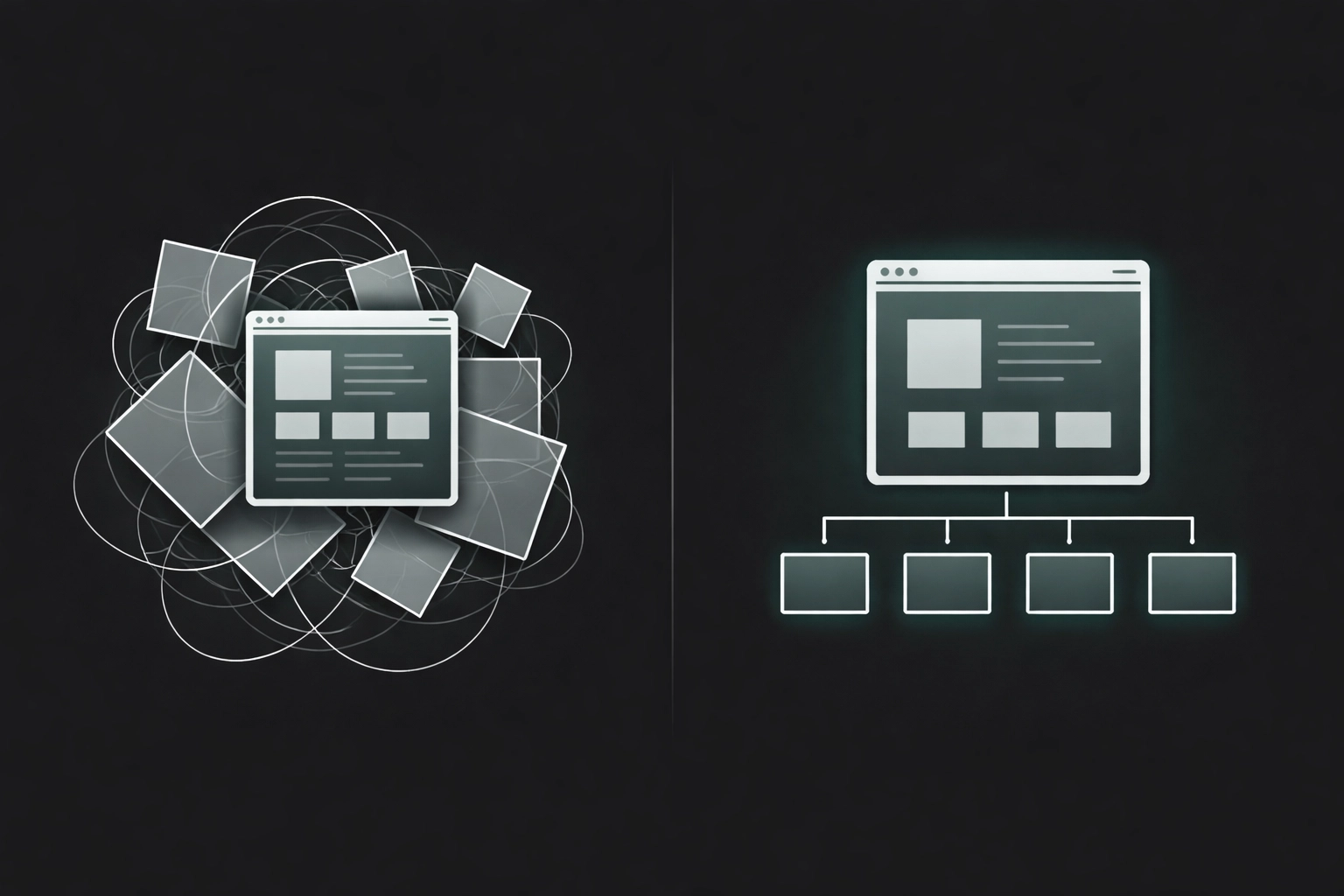
Custom-built websites start lean by design. Every line of code serves a purpose. There's no dead weight dragging things down.
Think about it this way: a bloated template is like buying a 10-bedroom mansion when you only need a two-bedroom apartment. Sure, it looks impressive on paper, but you're paying to heat rooms you'll never enter.
With custom web design, you get:
- Cleaner HTML and CSS that browsers can parse faster
- Minimal JavaScript that only runs what's necessary
- No unused plugins eating up server resources
- Optimized database queries that reduce server strain
The SEO benefits are immediate. Google's Core Web Vitals specifically measure things like Largest Contentful Paint (LCP) and Cumulative Layout Shift (CLS): metrics that bloated templates consistently fail. Clean code means better scores, which means better rankings.
3. Reduce Server Energy with Smart Hosting and Caching
Every time someone visits your website, servers spin up to deliver your content. The more efficiently you can serve that content, the less energy gets consumed.
Two strategies make a massive difference here:
Choose Green Hosting
Not all web hosts are created equal. Some data centers run on renewable energy, while others rely on fossil fuels. Making the switch to a green hosting provider is one of the simplest sustainability moves you can make.
Look for hosts that:
- Use renewable energy sources
- Have energy-efficient cooling systems
- Participate in carbon offset programs
- Maintain high Power Usage Effectiveness (PUE) ratings
Implement Aggressive Caching
Caching stores static versions of your pages so servers don't have to rebuild them from scratch for every visitor. This dramatically reduces server load and energy consumption.
Browser caching, server-side caching, and CDN (Content Delivery Network) caching all work together to serve your content faster while using fewer resources.
A well-cached site can handle traffic spikes without breaking a sweat: and without spinning up extra server power to compensate.
4. Design for Longevity, Not Trends
Remember when every website had a parallax scrolling hero section? Or when flat design was the only acceptable aesthetic? Trends come and go, and chasing them means constant redesigns, wasted development hours, and digital waste.
Sustainable design takes a different approach: create something timeless.
A timeless design system includes:
- A cohesive visual identity that doesn't require frequent updates
- Flexible layouts that can accommodate new content without structural changes
- Scalable typography and color systems that work across different contexts
- Modular components that can be rearranged without rebuilding from scratch
When your website doesn't need a complete overhaul every 18 months, you save time, money, and the environmental cost of all that additional development work.
This approach also builds stronger brand recognition. Consistency breeds trust. When visitors see the same visual language across your site year after year, they remember you.
Check out our guide on how to future-proof your small business website for more strategies on building something that lasts.
5. Streamline the User Journey
Here's a sustainability angle most people miss: the longer visitors spend hunting for information on your site, the more energy gets consumed.
Confusing navigation, buried contact forms, and unclear calls-to-action don't just hurt conversions: they waste resources. Every extra page load, every frustrated back-button click, every abandoned session represents wasted server energy and bandwidth.
Sustainable UX design means:
- Clear navigation that gets visitors where they need to go in minimal clicks
- Logical content hierarchy that surfaces important information immediately
- Fast, accessible forms that don't make people jump through hoops
- Mobile-first design that respects users on slower connections
When you reduce friction in the user journey, you reduce unnecessary page loads. Visitors find what they need faster, convert more efficiently, and leave with a positive impression of your brand.
It's sustainability through simplicity: and it directly impacts your bottom line.
Why Custom Design Beats Templates for Sustainability
Let's be real: templates have their place. They're quick, they're cheap, and they work for certain situations.
But when it comes to sustainable web design, custom builds win every time.
Templates are designed to appeal to the broadest possible audience, which means they're packed with features most users will never touch. That bloat translates to:
- Larger file sizes
- More HTTP requests
- Higher server loads
- Slower page speeds
- Worse Core Web Vitals scores
Custom websites start with a blank slate. You build exactly what you need and nothing more. The code is cleaner, the performance is better, and the environmental impact is lower.
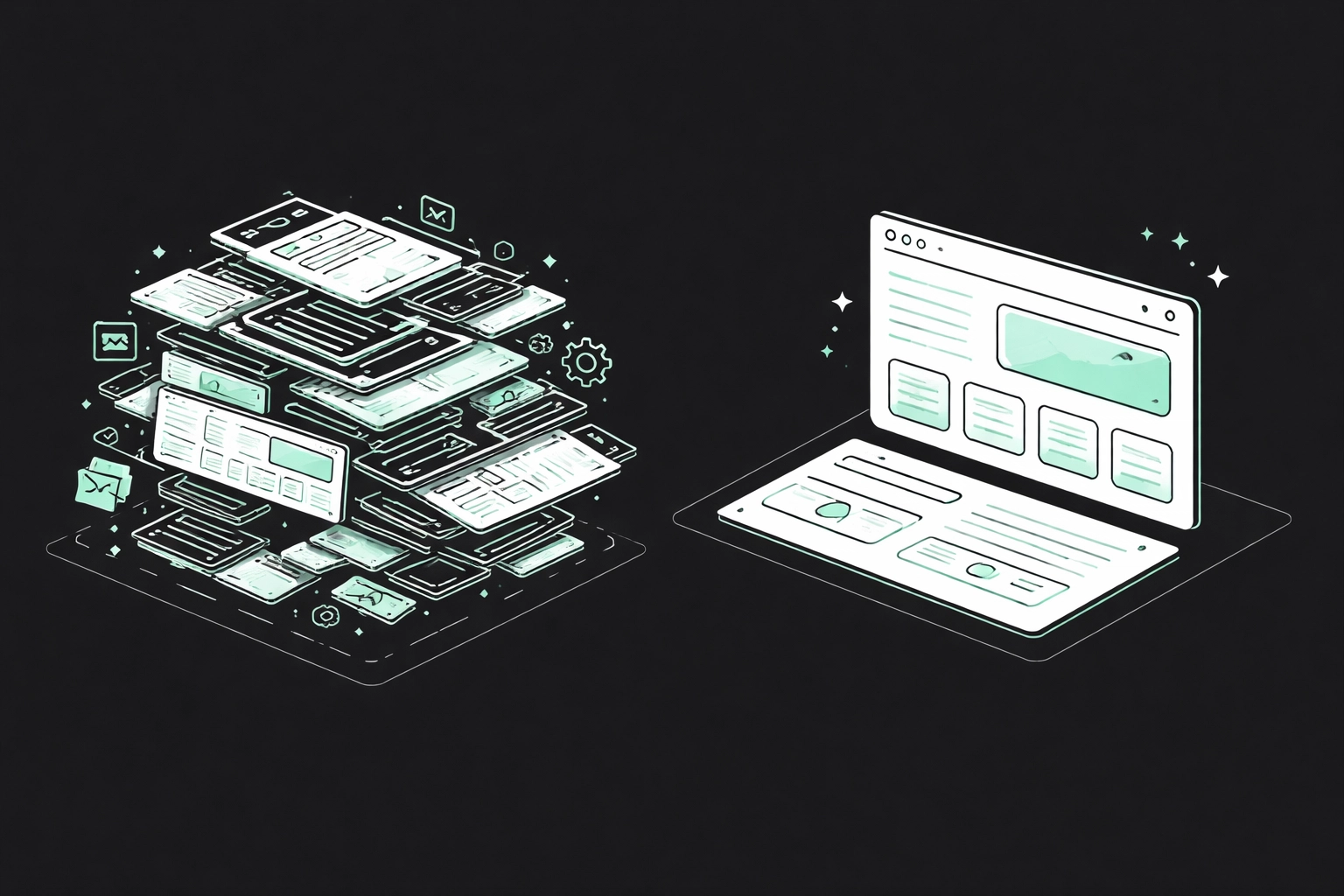
Beyond the technical benefits, custom design lets you embed sustainability into your brand story. Your website becomes a reflection of your values: efficient, intentional, and built to last.
Make Sustainability Part of Your Brand Story
Consumers increasingly care about the environmental impact of the brands they support. A sustainable website isn't just good for performance and SEO: it's a statement about who you are and what you value.
When you optimize images, clean up code, choose green hosting, design for longevity, and streamline user journeys, you're not just building a better website. You're building a better brand.
And here's the best part: every single one of these sustainable practices directly improves your site's performance. Faster load times, better SEO rankings, higher conversion rates: sustainability and success go hand in hand.
Ready to create a website that performs beautifully while treading lightly? Let's talk about building something sustainable together.