
Your website has exactly 1.87 seconds to make a first impression. After that? Your potential customers are already clicking away to your competitors.
This isn't just another tech trend: website speed has become the ultimate business differentiator. While you're reading this sentence, businesses are losing thousands of dollars because their websites load too slowly. The question isn't whether speed matters anymore. It's whether your business can afford to ignore it.
The Revenue Reality: Every Second Costs You Money
Let's cut straight to the numbers that matter to your bottom line. A single second of website delay costs you approximately 7% in sales. For a business generating $100,000 daily, that's $365,000 vanishing into thin air every year.
But here's where it gets really interesting. Google's latest performance data shows that pages loading in 1 second convert 3x more visitors than pages loading in 5 seconds. Even tiny improvements create massive results: Deloitte found that a mere 0.1-second speed boost increased retail conversions by 8.4%.

The progression is brutal:
- 100 milliseconds of delay = 7% fewer sales
- 2 seconds of delay = 16% fewer sales
- 3 seconds of delay = 20% of visitors abandon your site immediately
Think about your last online shopping experience. When a product page took forever to load, did you wait around? Probably not. Your customers behave exactly the same way.
Your Search Rankings Are at Risk
Speed isn't just about user experience anymore: it's about survival in search results. Google has made website performance a core ranking factor, which means slow sites effectively disappear from search results while faster competitors capture your audience.
The difference between loading in 2.4 seconds versus 2.6 seconds can literally push your business from page one to page two of Google search results. And we all know what happens to businesses on page two: they become invisible.
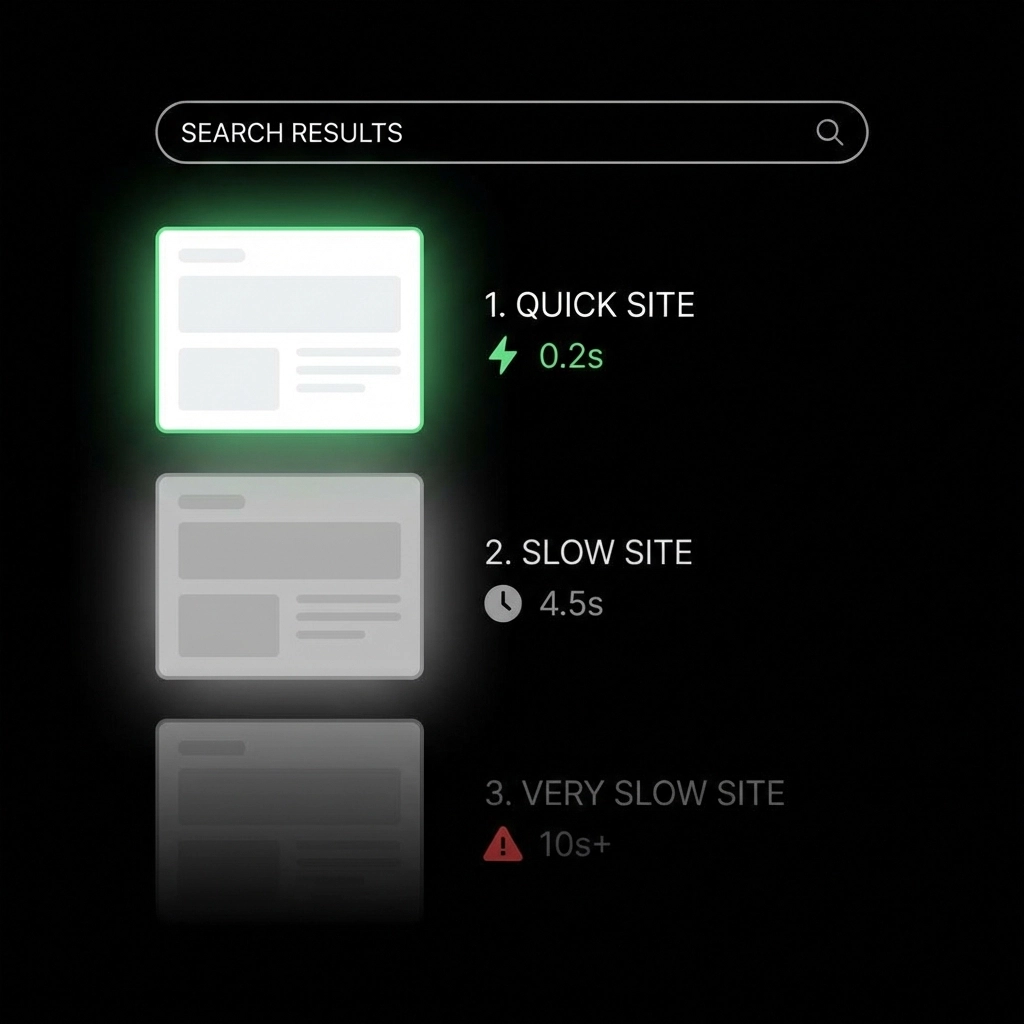
Search engines now prioritize interaction quality over raw load times. This especially impacts dynamic websites with filters, product catalogs, and JavaScript-heavy features. If your site feels sluggish during actual use, even with a decent initial load time, Google notices and penalizes accordingly.
Here's the kicker: with AI-generated answers appearing at the top of search results, when users finally do click through to your website, they're less patient than ever. They expect instant gratification.
User Expectations Have Changed Forever
Your visitors form opinions about your brand in fractions of a second. A slow website doesn't just feel inconvenient anymore: it feels untrustworthy.
Modern users expect near-instant feedback, seamless experiences across devices, and smooth interactions. When your checkout process stutters, your product filters lag, or your contact forms freeze, customers don't just get frustrated: they question your credibility.
Mobile users are particularly unforgiving. 53% of mobile visitors abandon sites taking over 3 seconds to load. Consider this: mobile traffic now accounts for over 60% of web traffic. If your mobile experience isn't lightning-fast, you're essentially turning away the majority of your potential customers.

This shift goes deeper than impatience. Fast websites signal professionalism, reliability, and attention to detail. Slow websites suggest outdated technology, poor management, and unreliable service. Fair or not, that's the reality of customer psychology in 2026.
The Competition Is Getting Faster (And You're Getting Left Behind)
Here's an opportunity disguised as a crisis: only 20% of websites pass all speed tests. E-commerce sites average over 4 seconds to load during peak shopping periods. This widespread failure creates a massive competitive advantage for businesses that prioritize speed.
While your competitors struggle with sluggish sites, every speed improvement you make amplifies your advantage. Faster load times, smoother interactions, and instant responsiveness become your secret weapons for customer acquisition and retention.
The stakes are even higher for paid advertising. Every slow landing page wastes ad spend by immediately exposing performance problems to paid traffic. You're literally paying to frustrate potential customers before they can even see your value proposition.
What Speed Really Means in 2026
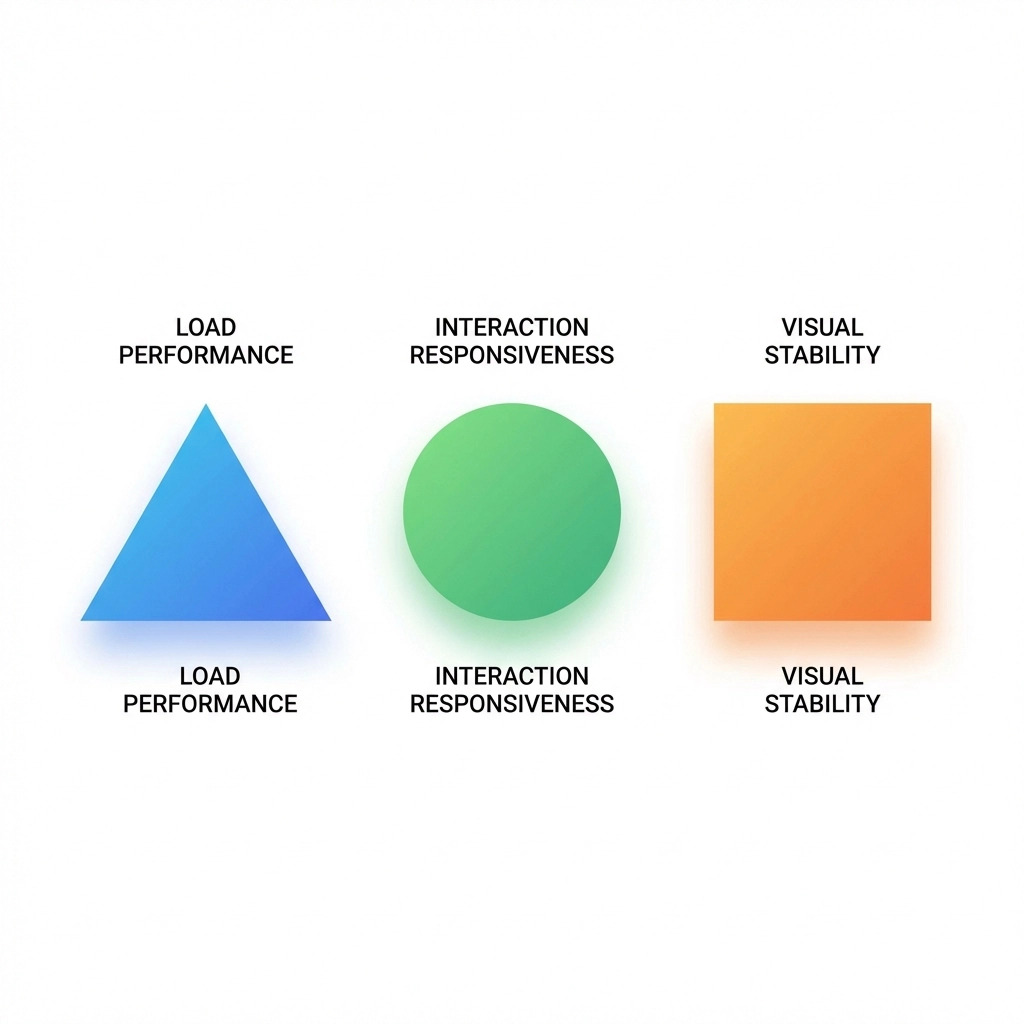
Speed has evolved beyond simple load times. Today's definition encompasses three critical elements:
Load Performance: How quickly your content appears
Interaction Responsiveness: How smoothly users can scroll, click, and navigate
Visual Stability: How consistently elements stay in place during loading
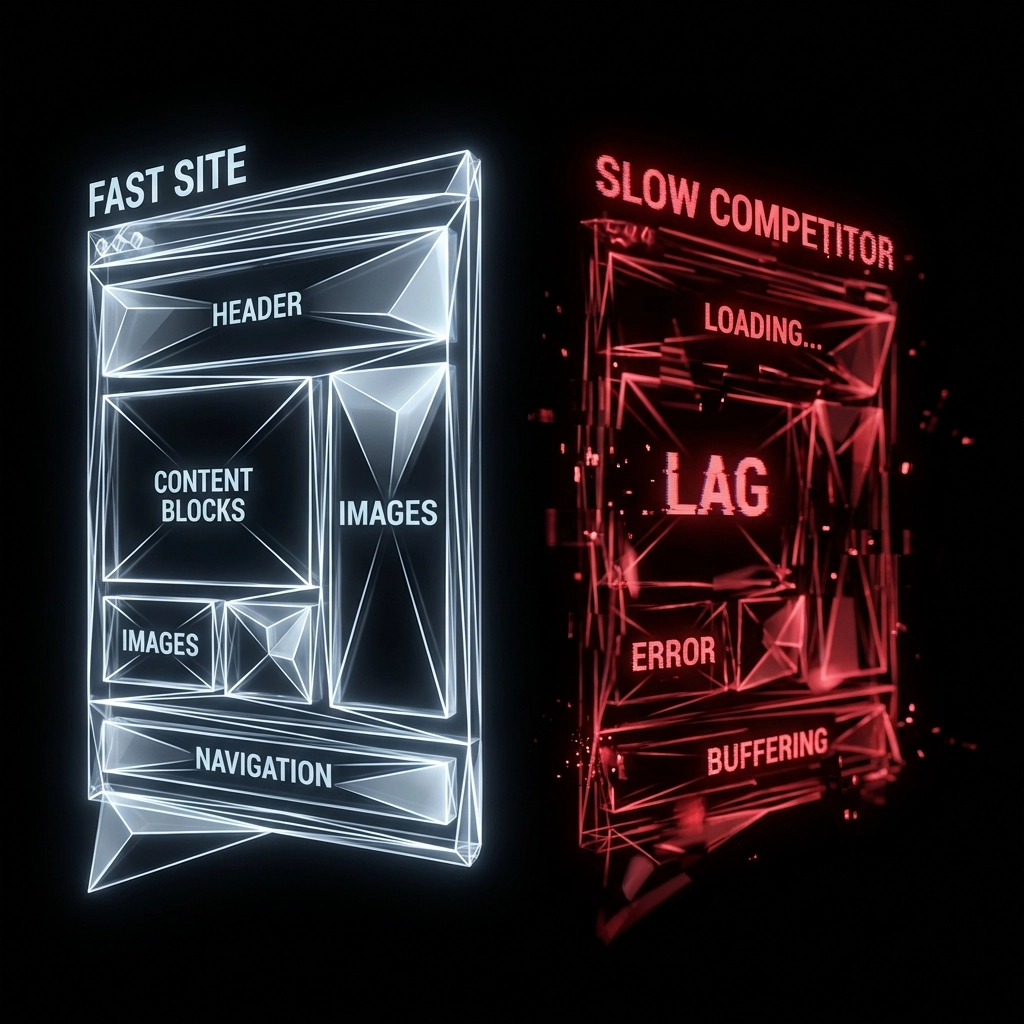
A page can load quickly yet feel broken during scrolling, filtering, or checkout processes. Google now evaluates real user behavior at scale rather than theoretical metrics alone. This means your website needs to perform flawlessly under actual user conditions, not just in controlled testing environments.
Modern speed optimization requires addressing:
- Initial content rendering
- Interactive element responsiveness
- Smooth scrolling and animations
- Consistent visual layouts
- Fast database queries
- Optimized image delivery
- Efficient code execution
How to Win the Speed Game
The good news? Website speed optimization isn't rocket science: it's strategic implementation of proven techniques.
Prioritize Critical Resources: Load essential content first, defer secondary elements
Optimize Images Intelligently: Use modern formats, appropriate sizing, and lazy loading
Streamline Your Code: Remove unnecessary plugins, compress files, and eliminate bloat
Choose Performance-Focused Hosting: Invest in infrastructure that supports speed
Monitor Real User Experience: Track actual performance metrics, not just theoretical scores
The most successful businesses in 2026 will treat speed as a competitive strategy, not a technical afterthought. They'll invest in performance optimization the same way they invest in marketing and customer service: because speed directly impacts both customer acquisition and retention.
Your Speed Strategy Starts Now
Website speed isn't a nice-to-have feature anymore: it's a fundamental business requirement. Every day you delay optimization is another day of lost revenue, decreased search visibility, and frustrated customers.
The businesses dominating their markets in 2026 understand this simple truth: fast websites don't just perform better: they convert better, rank better, and grow faster.
Ready to transform your website's performance into a competitive advantage? At Create Pro Media, we specialize in building lightning-fast websites that don't just look great: they perform exceptionally under real-world conditions.
Don't let slow speed sink your business success. The optimization you implement today determines your market position tomorrow.